
custom mirrors
Understanding Globe Valves A Focus on the 150 Class Globe valves are a vital component in various industrial applications, particularly in controlling the flow of liquids and gases. Among the myriad versions of globe valves available, the 150 class globe valve stands out due to its robust design and versatility. In this article, we will explore what a globe valve is, the characteristics of the 150 class, and its applications in different industries. What is a Globe Valve? A globe valve is a type of valve used to regulate fluid flow in a pipeline. It consists of a movable disk (the plug) and a stationary ring seat, which together form a barrier that can be opened or closed to allow or restrict the fluid passage. The design enables greater control over flow rates and is typically used in throttling applications. Globe valves are known for their excellent sealing capability and are less prone to leakage, which makes them ideal for high-pressure and temperature applications. Characteristics of the 150 Class Globe Valve The 150 in the term 150 class globe valve refers to the American National Standards Institute (ANSI) pressure rating. Specifically, it is designed to handle working pressures of up to 150 psi (pounds per square inch) at temperatures of up to 366°F (185°C). This makes the 150 class globe valve suitable for a variety of industrial processes where moderate pressure control is required. One of the most notable characteristics of the 150 class globe valve is its construction. Typically, these valves are made from durable materials such as cast iron, stainless steel, or brass, depending on the application and the type of fluid being transported. The choice of materials ensures that the valve can withstand corrosion, erosion, and high temperatures, contributing to a longer service life. Applications in Various Industries globe valve 150 The 150 class globe valve is widely used across several industries, including water treatment, oil and gas, petrochemical, and power generation. 1. Water Treatment In water treatment facilities, globe valves are used to control the flow of water through different processes, such as filtration and disinfection. Their precision in flow regulation is critical for maintaining the quality and safety of drinking water. 2. Oil and Gas Within the oil and gas sector, these valves play a crucial role in pipeline systems. They help manage the flow of crude oil and natural gas, ensuring efficient and safe transfer from extraction points to processing facilities. 3. Petrochemical Industry The petrochemical industry benefits from the robust nature of the 150 class globe valve, as it handles volatile and corrosive chemicals during production processes. The ability to maintain tight sealing under varying conditions is essential in preventing leaks and spills. 4. Power Generation In power plants, globe valves are used to control steam flow and regulate temperature and pressure throughout the system. Their reliable performance is key to ensuring efficient power generation and minimizing downtime. Conclusion In conclusion, the 150 class globe valve is an indispensable tool across various industries due to its excellent flow control capabilities and robust design. Understanding its characteristics and applications can aid engineers and technicians in selecting the right valves for their specific needs, optimizing processes, and ensuring safety in operations. As industries continue to evolve, the importance of reliable components like the 150 class globe valve becomes increasingly clear.
about
custom mirrors
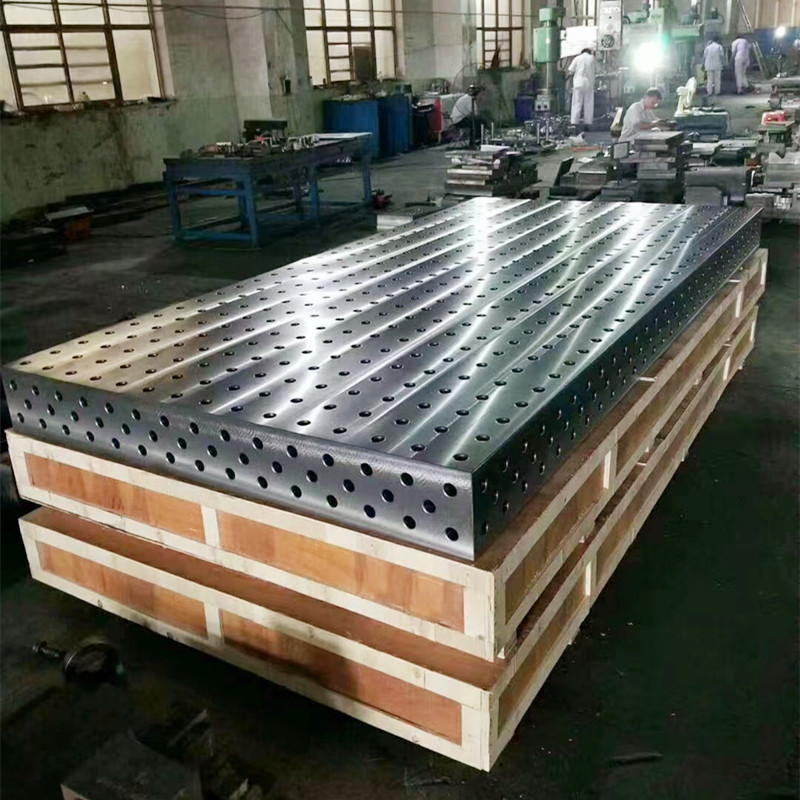
Heavy Duty Fabrication A Critical Component of Modern Industry Heavy duty fabrication is an essential element in various industries, playing a pivotal role in the construction and manufacturing sectors. This process involves the creation of large and robust structures made from materials such as steel, aluminum, and other alloys, designed to withstand harsh environments and heavy loads. Nowadays, heavy duty fabrication is not only limited to traditional sectors such as construction and manufacturing but has also expanded into areas such as automotive, aerospace, and energy. Heavy Duty Fabrication A Critical Component of Modern Industry One of the critical aspects of heavy duty fabrication is material selection. Engineers and fabricators must choose materials that not only meet the specific requirements of a project but also possess durability and strength to handle extreme conditions. For instance, in marine environments, materials that are resistant to corrosion are essential. Similarly, in high-stress applications, such as aerospace, lightweight yet robust materials are preferred to enhance performance while maintaining safety. heavy duty fabrication table In addition to material selection, advanced technology has also revolutionized the heavy duty fabrication industry. Innovations like CNC (Computer Numerical Control) machining, laser cutting, and robotic welding have dramatically increased the speed and accuracy of the fabrication processes. These technologies allow for complex designs to be fabricated with minimal human intervention, reducing the potential for errors and improving consistency across production runs. Safety is another paramount consideration in heavy duty fabrication. Given the scale and weight of the components being handled, implementing rigorous safety protocols is essential. This includes the proper training of personnel, use of protective equipment, and adherence to industry regulations. Manufacturers are also increasingly focusing on ergonomic designs and practices to safeguard workers who handle heavy materials regularly. Furthermore, sustainability has emerged as a significant trend in the fabrication industry. As global awareness of environmental issues increases, many companies are looking for ways to minimize waste and reduce their carbon footprint. Utilizing recycled materials, improving energy efficiency in fabrication processes, and employing eco-friendly paints and coatings are all strategies that heavy duty fabrication companies are adopting to contribute to a greener planet. In conclusion, heavy duty fabrication is a cornerstone of modern industrial operations, providing the backbone for various sectors. Its emphasis on precision, technology, and safety ensures that structures and components meet the demands of contemporary applications. As industries continue to evolve, heavy duty fabrication will remain vital in supporting innovation and sustainability while meeting the challenges of tomorrow’s engineering demands. The future of heavy duty fabrication appears promising, with ongoing advancements poised to enhance efficiency and reduce the environmental impact of this indispensable field.
-

High quality industrial productsagement

High quality industrial products
View Details -

Meet the diverse needs of customers

Meet the diverse needs of customers
View Details -

Strict quality control

Strict quality control
View Details -

Top raw materials

Top raw materials
View Details -

Trusted supplier

Trusted supplier
View Details
Our application

news and information

welded steel workbench
The Advantages of Using a Welded Steel Workbench In the realm of industrial workspaces, the signific
valvole ad acqua accese o spente
Valvole dell'Acqua Accese o Spente? Nel mondo moderno, l’acqua è una risorsa preziosa e limitata. La
Vesiventtiili 3 4
Vesilukon tarkastusventtiili tärkeys ja toimintaperiaate Vesilukon tarkastusventtiilit ovat keskeisi
 English